A Trade Fair Encounter: The Rise of an Importer
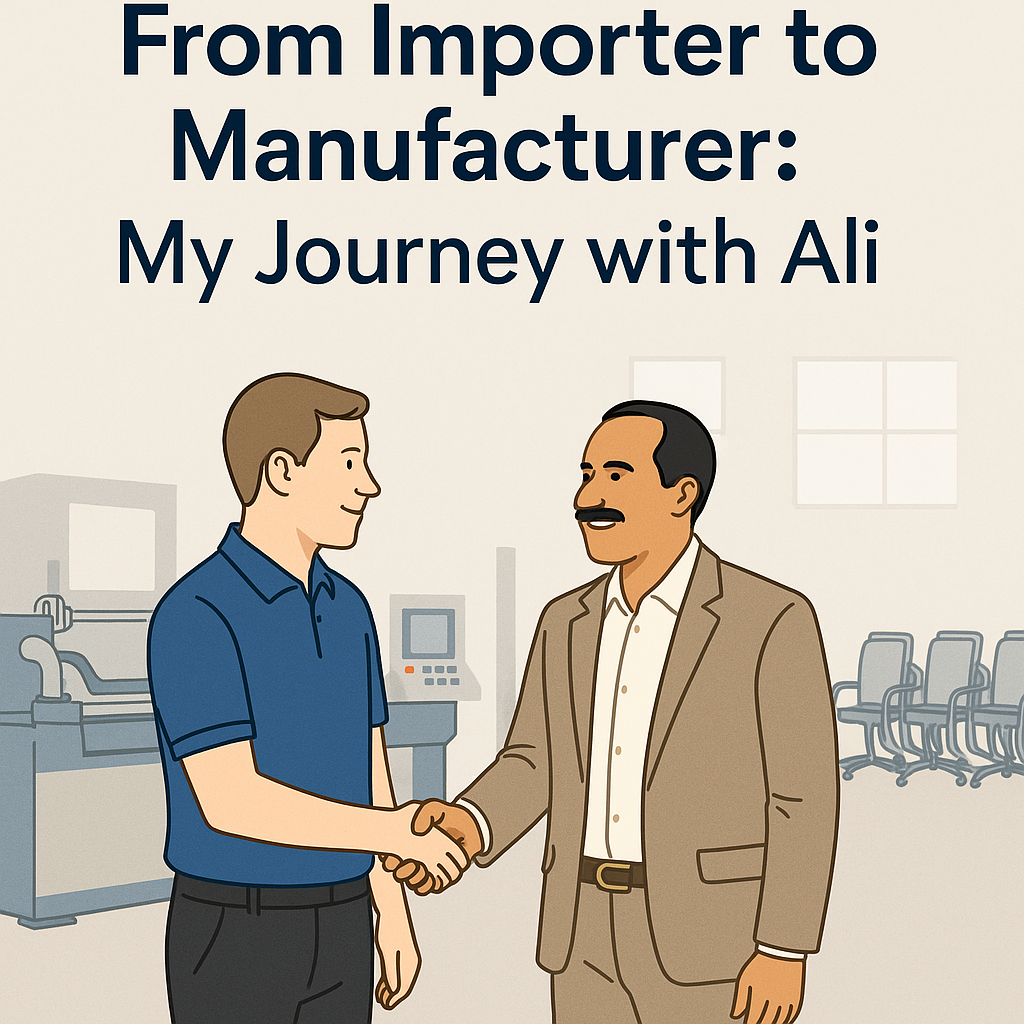
As the owner of a CNC tube bending machine factory, I first met Ali at the Guangzhou Furniture Fair years ago. At that time, Ali was a young, ambitious man importing office chairs from China to Algeria. In his first year alone, he imported 5,000 chairs and achieved a net profit of over 20%. Within two years, his sales had tripled, capturing more than 15% of the local office chair market.
Back then, he showed little interest in my bending machines—his focus was solely on finished furniture imports.
Experimenting with Semi-Knockdown Assembly
As market competition intensified, Ali shifted to importing semi-finished chair parts for local assembly in Algeria to reduce costs. However, he quickly discovered the challenges: missing parts, sizing mismatches, and high defect rates plagued his production line. In the beginning, the defect rate reached 25%, though after three months of adjustment, it was reduced to below 5%.
He also realized that local assembly reduced the cost per chair by about 10% compared to full imports. More importantly, he began to understand that true quality control required owning the core manufacturing process.
A Cautious Suggestion and Early Doubts
At this stage, Ali approached me, eager to purchase an entire tube bending production line. I declined. “Buying a full set of equipment all at once is risky,” I explained. “Tube bending is complex. You’re still new to manufacturing. Start with a basic CNC tube bender, gain experience, and then scale up.”
Ali was skeptical at first, perhaps thinking I doubted his capabilities. But he reluctantly followed my advice, investing $50,000 in a basic CNC tube bending machine capable of producing 800 pieces per day.
Practice Proved the Truth: Building Trust
When the equipment arrived in Algeria, the initial production did not go smoothly. Inexperienced workers led to high scrap rates. Ali would frequently call me in frustration. I patiently guided him and his team via video calls—teaching machine operations, parameter settings, and bending techniques.
After six months of adjustments and training, production capacity increased to over 1,500 parts per day, nearly doubling his efficiency. Ali later admitted, “I’m so glad I listened. If I had invested in everything all at once, I would’ve been overwhelmed by costs and technical issues.”
From then on, he fully trusted my advice.
Scaling Up with Deep Cooperation
As production stabilized, Ali was ready to expand. This time, I recommended a semi-automated bending unit tailored to his situation and sent engineers to assist onsite.
The results were immediate: labor costs dropped by 30%, throughput rose by 60%, and product error rates fell from 3% to below 0.5%. I also helped him optimize workshop layout, train staff, and refine production management.
His workshop began to evolve into a well-organized manufacturing facility.
Overcoming Operational Hurdles
Transforming into a manufacturer wasn’t easy. Ali faced delays in logistics, customs complications, tight cash flow, and a lack of skilled workers. But we tackled each challenge together:
- Logistics cycle was shortened from 40 to 25 days by optimizing the supply chain.
- A flexible payment plan improved his capital turnover rate by 20%.
- I provided frequent engineering support, helped him apply for local industrial subsidies, and introduced practical workflow improvements.
Every hurdle crossed further strengthened our partnership.
Transformation Complete: Winning the Market
After years of persistence, Ali finally localized production of metal tube chair frames. His chairs—now backed by quality, fast delivery, and fair pricing—claimed over 35% of Algeria’s market. He began exporting more than 2,000 units annually to neighboring countries.
Whenever we video chat, I see my machines running proudly in his modern factory—neatly lined up and operated skillfully by his team. I feel proud and fulfilled.
Looking Ahead: Expanding Beyond Borders
Ali now aims to expand beyond office chairs into fitness equipment and other furniture categories. He plans to launch five new product lines and double his production capacity in the next three years. His 5-year goal? Surpass $10 million in annual sales.
He’s even proposed a joint North African service center with us to better serve the region—a move I fully support.
Looking back, it was that initial cautious step that paved the way for this lasting partnership. I believe that together, we’ll continue to grow—and that “Made in Algeria” will one day become a recognized symbol across North Africa.